
Innovative Technology to Fight Harmful Germs in Hospitals
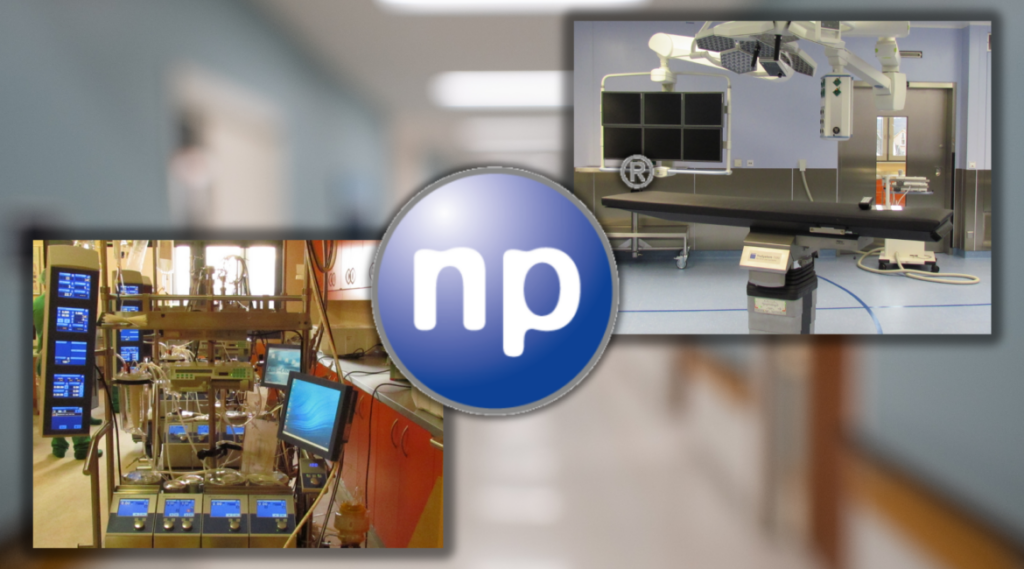
SHG Clinics Völklingen trial an innovative product from the company “nanopool” Völklingen. According to expert estimates, around five percent of patients in German hospitals contract health-threatening germs every year. If their immune system is weakened, this can sometimes have dangerous consequences.
Technology from Saarland Protects Atatürk Mausoleum from Decay

Nanopool GmbH from Hülzweiler wins major contract for the tomb of Turkey’s founding statesman. Hülzweiler/Ankara. With an unusual commission, Nanopool GmbH from Hülzweiler is causing a stir in the Turkish capital Ankara. The highly specialised family business has been commissioned by the Turkish monument authority to protect the mausoleum of founding statesman Mustafa Kemal Atatürk from dirt and damage using a novel surface-finishing process.
Sustainable Cultivation Through Advanced NP® Technology: Pesticide-Free into the Future
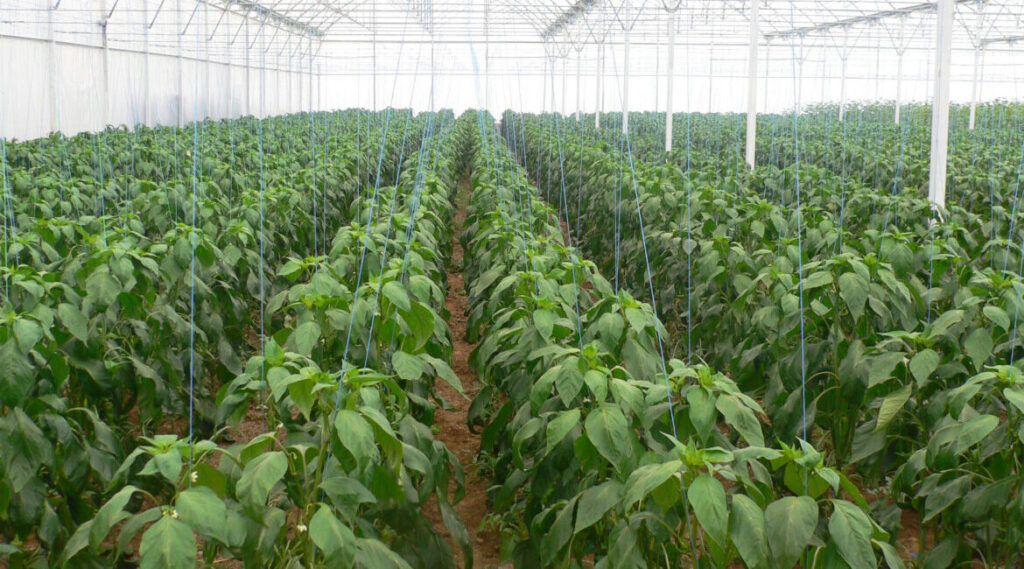
Nanopool GmbH honoured with environmental award once again. Hülzweiler/London. With a novel finishing process, the Saarland-based company Nanopool aims to contribute to overcoming the global food crisis. In initial tests, the company’s researchers have now succeeded in accelerating the germination of grain and tomatoes by up to 30% using an ultra-thin protective layer.
Nanopool Honoured with International Environmental Award in London
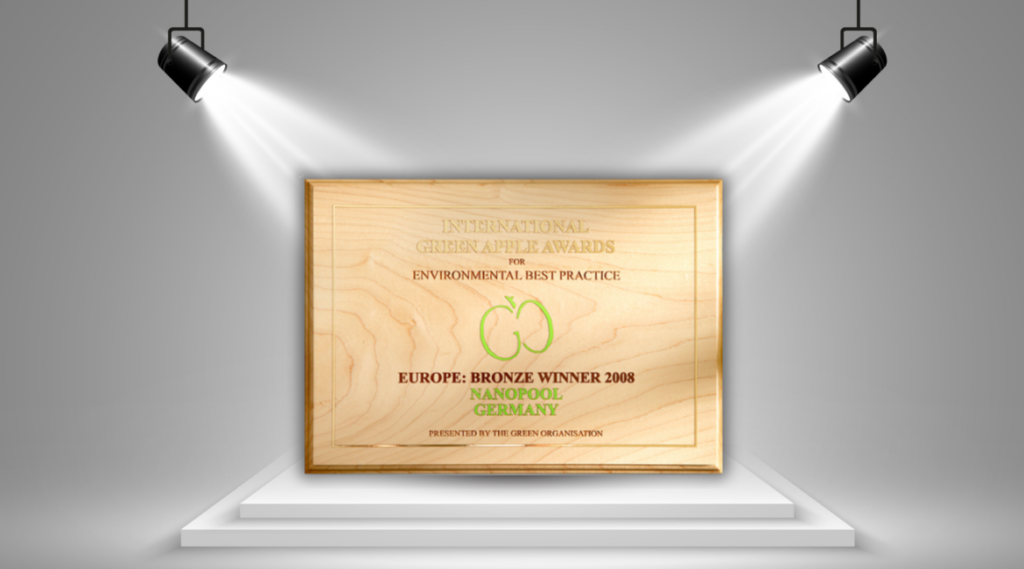
Hülzweiler/London. A great honour for Nanopool GmbH from Hülzweiler: the Saarland-based family business, founded in 2001, has been honoured with the international environmental award “Green Apple Award 2008” for a novel process to enhance crop plants. The award, which is supported by the British government, was presented today at the House of Commons in London.
Enterprise Green Future: Nanopool GmbH from Hülzweiler Received the Golden Green Apple Award for the Most Innovative and Environmentally Friendly Products of the Year.
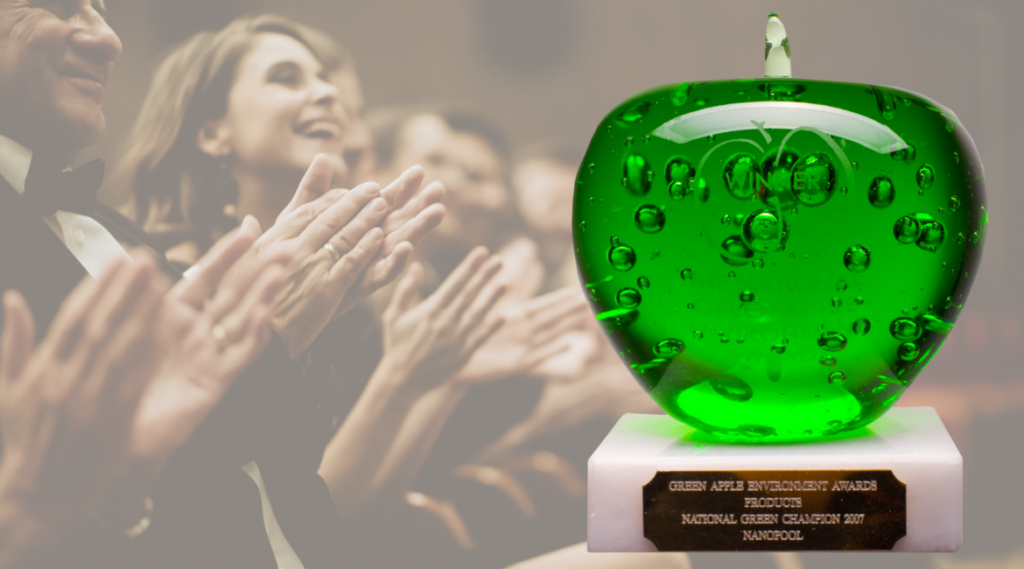
It is now well known that nanotechnology offers undreamt-of opportunities and possibilities in the fields of chemistry, optics, automotive, electronics, medicine and biology. The fact that nanotechnology also represents a beacon of hope for environmental protection and environmental technology, however, is a more recent insight for the public. On 9 November 2007, Nanopool GmbH from Hülzweiler was honoured with the golden Green Apple Award at the House of Commons in London.
Nanopool Coats McDonald’s Restaurant in Salzburg
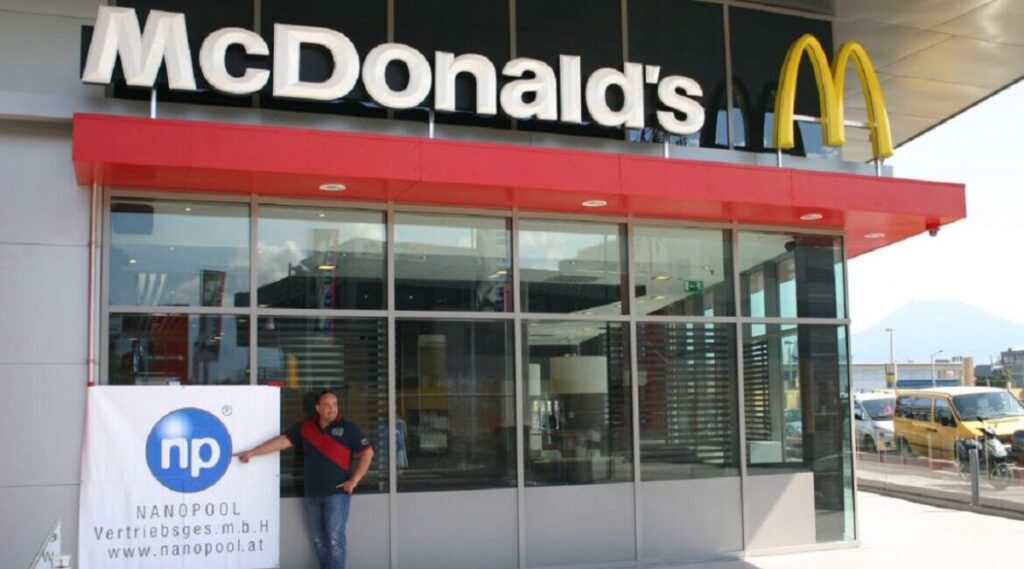
The environmentally friendly coating of surfaces with sol-gel nanotechnology reduces maintenance costs by up to 40 percent. For the first time, Nanopool GmbH has coated the surfaces of an entire McDonald’s restaurant in Salzburg. Thanks to the sol-gel surface coating process developed by Nanopool GmbH, these surfaces acquire antimicrobial properties and become easier to clean. Dirt no longer sticks, and the coating additionally protects against mould and bacteria. As a result, the use of chemicals and cleaning agents is reduced by up to 40%. In the Salzburg McDonald’s restaurant, the coated surfaces included the glass of the windows and gallery, plastic flooring, porcelain stoneware tiles, the plastic and ceramic surfaces in the restrooms, the stainless steel kitchen, the kitchen floor and the tables. NP® nanotechnology in the home, hotel and catering industry does not mean tiny little robots that keep the house tidy like modern electronic helpers. It is first and foremost about extremely thin layers that are applied to a wide variety of surfaces like an invisible protective film. Invisible, because they are a hundred times thinner than a human hair. And you cannot feel the layer either. But you can see what it is capable of. Kitchen surfaces that come into contact with food can be coated with the NP® layer for easier cleaning and improved hygiene. And for surfaces that require special hygiene, such as toilet seats, the nano layer is also available in an antibacterial version. Applying the nano layer is also very easy. Simply spray it on, rub it in with a cloth so that the surface is evenly coated, let it dry, and the surface is protected for many months and remains easy to clean in the long term. The NP® nano layers are not only environmentally neutral – they are essentially derived from sand and, together with the life cycle of the products they are applied to, are returned to the natural cycle. The products of Nanopool GmbH have been tested thoroughly. Worldwide, there are no other products based on the principle of ultra-thin layers that have been scrutinised as comprehensively by external laboratories and institutes as the products of Nanopool. You can find more information about the products here: https://www.nanopool.eu/produkte/
Coated Wine Corks Save the Good Taste. A Nanotechnology Product Against Cork Taint
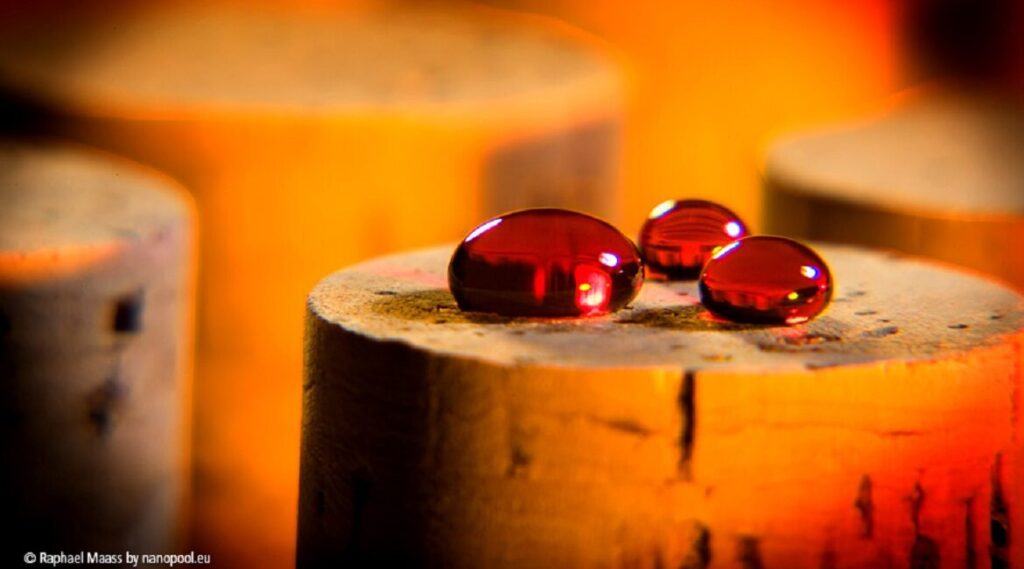
For the wine drinker, it is often a great disappointment when the fine bottle chosen for the evening has a mouldy, musty taste. For winemakers, it is a worldwide problem that cannot be solved by glass or plastic corks either. We are talking about so-called cork taint. The Saarland-based company Nanopool is now offering an innovative solution to the cork problem for the first time. According to estimates by the EU Commission, the Europe-wide damage caused by musty cork taint in wine amounts to around 500 million euros per year. Winemakers and consumers alike fear the so-called “corked” wine. The main cause of the classic musty cork odour is considered to be 2,4,6-trichloroanisole (TCA). This compound has an extremely intense odour, and just a few billionths of a gram per litre of air are enough to spoil the good taste of the wine. Both the production history of the cork stopper and the history of the wine itself can trigger this musty odour. The wine industry has been searching for solutions for many years. But neither screw caps nor glass or plastic corks have been able to establish themselves so far. The Saarland-based company Nanopool is now offering a solution that is as simple as it is ingenious. The company has succeeded in developing an ultra-thin layer that is applied to the cork surface before bottling. The nano layer works in two ways. Firstly, certain types of mould fungi that cause the cork odour are killed. Secondly, the phenol and chloroanisole compounds that have already formed during the cork production process, before corking, are immobilised and their extraction into the wine is prevented. As for the reliability of this method, Ralf Jürgens, Senior Engineer at Nanopool GmbH, points to numerous studies: “We have carried out microbiological tests and investigations at accredited institutes, all of which confirm the antimicrobial effect of the nanopool coating.” The coatings are easy to apply and can be used in any cork production facility or by winemakers and bottlers. The company’s Managing Director, Sascha Schwindt, expressly points out the food-grade safety of the coating: “The product naturally meets food-grade requirements and has no influence on the maturation and taste of the wine. The layer is invisible and cannot be felt either. The feel of the cork is not altered in any way. A coated cork is not recognisable to the wine drinker.” Studies have shown that all of the bottler’s technical requirements, such as tightness, compression force, extraction force, etc., are not affected by the coating, meaning that no changes whatsoever arise in processing. Nanopool GmbH thus delivers the answer to the wine industry’s years-long search for alternatives to natural cork that meet the quality standards and aesthetic expectations of wine consumers.