
SiOPack® Improves Process Stability and Water Barrier of Dry-Fiber Packaging
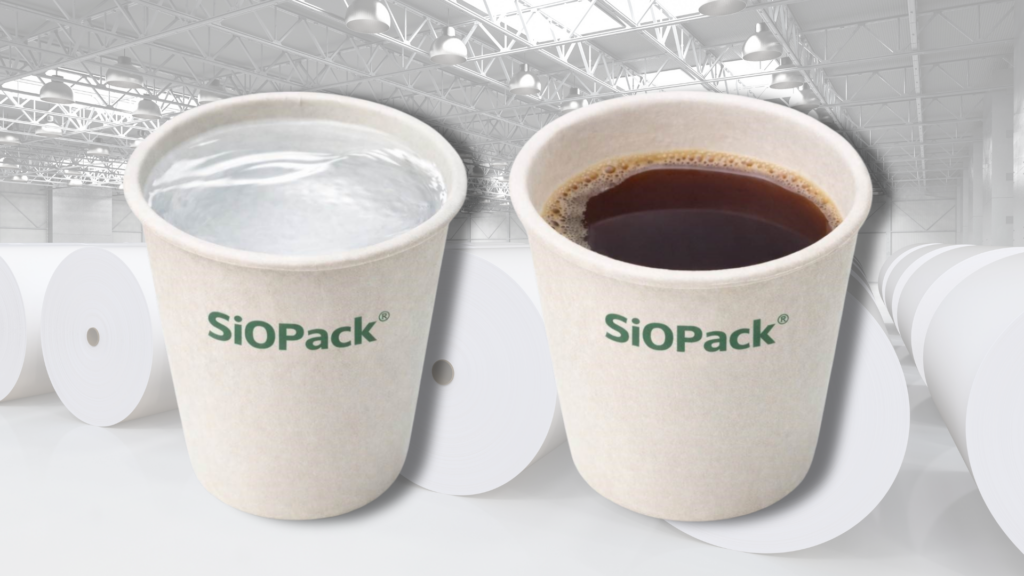
New barrier technology stabilizes dry-fiber geometries under humid process conditions and improves further processing on industrial filling lines. By Dieter Schwindt, certified expert for nanotechnology and surface applications. Dry-fiber packaging is regarded as a promising approach to reducing plastic-based packaging solutions. In industrial practice, however, a central problem emerges: under humid process conditions, the materials quickly lose mechanical stability. This can lead to deformation, disruptions in machine handling and, in the worst case, downtime on filling lines. This is particularly critical in applications with high humidity or direct contact with liquids, as is common in the food and beverage industry. Existing hydrophobization solutions often reach their limits here, as they either impair forming or are not optimally scalable in economic and process terms. Challenges of dry fiber in humid process environments Dry-fiber packaging is sensitive to increased humidity and direct contact with water. Even under moderate climatic conditions, a significant reduction in mechanical stability can occur. On industrial filling lines – especially in areas with moisture ingress or direct contact with liquids – this problem is further amplified. Components can swell or lose their shape, which impairs machine handling. The consequences are disruptions on the filling line, increased reject rates and potential downtime. In practice, such effects frequently lead to additional cleaning cycles and a restart of the production line – a clear economic disadvantage. Limits of existing solutions Conventional hydrophobization methods such as AKD can only be used to a limited extent with dry fiber. A key approach in dry-fiber processing is instead to leave the fibers unaffected during forming, so that processes such as stretching and drawing can be carried out completely and without restrictions. The functional barrier is therefore deliberately applied only after forming. In many cases, an additional external coating is thus required. Alternative approaches – such as the use of MFC for hydrophobization – are known, but are often associated with higher costs and reduced process speed. An industrially scalable solution with a stable barrier effect and good processability therefore remains a challenge. SiOPack® as a solution approach With SiOPack® technology, a coating system is available that enables a stable water barrier on fiber-based materials without affecting the forming process. The aim is to reduce moisture absorption while improving the mechanical stability of components during further processing. The results to date show that significant improvements can be achieved through the use of suitable barriers: reduced moisture absorption improved dimensional stability of dry-fiber components more stable machine handling during further processing lower reject rates increased process reliability on filling lines Test results under practical conditions The results obtained show an improvement in storage and process stability. Storage times of more than 150 days could be achieved under non-climate-controlled conditions without significant losses in top-load stability. The results indicate potential for future applications in the field of hot beverages and other moisture-sensitive packaging applications. Assessment from industry practice Packaging expert Stephan Halstrick of HALSTRICK Consulting Services – The Packaging Experts – has examined the SiOPack® barriers in his own tests and sees particular potential for improving the process stability of dry-fiber packaging: […]
Sustainable Truck Cleaning in the Fleet: Clean Vehicles – Even After Three Years
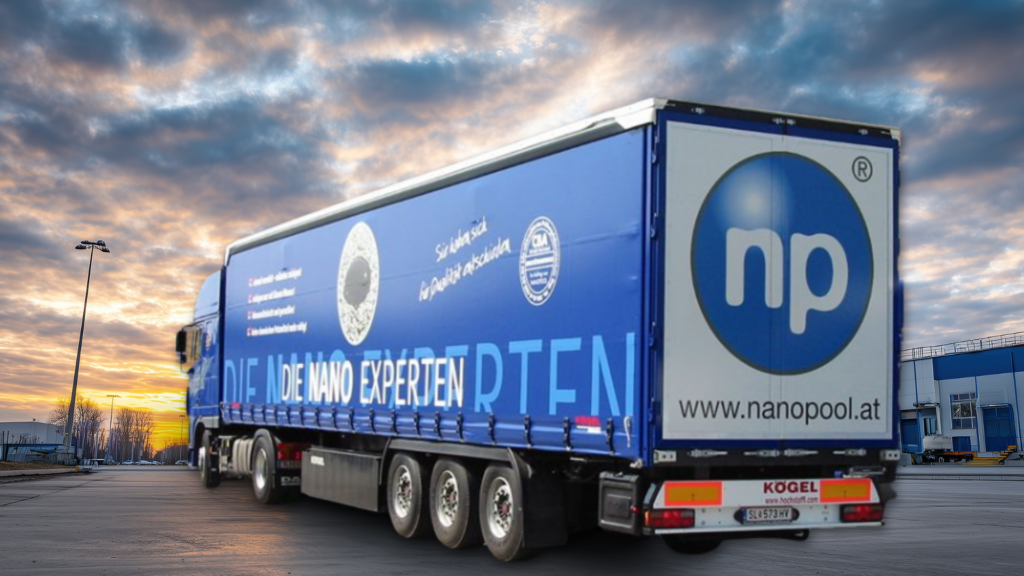
“Our truck looks as clean in daily operation as it does in the photo – not just right after washing. Even after three years, we clean our vehicles mainly with plain water. In many cases, rain alone is enough to rinse dirt off the treated surfaces. For us as a logistics company, this is not a side effect but a decisive economic and organizational advantage.” This is how a customer from the logistics sector describes it. Starting point: high cleaning effort in day-to-day logistics Trucks are exposed to extreme stresses all year round: road salt in winter, road dirt and fine dust, industrial deposits, oil and diesel residues, weather influences. Tarpaulins, superstructures and driver’s cabs in particular quickly show heavy soiling. Without suitable protective measures, this leads to frequent cleaning intervals, high water consumption, regular use of chemical cleaners and additional labor time. In a larger fleet, these factors add up considerably. Technical approach: surface treatment with a long-term effect Treating the exterior surfaces creates a modified surface structure that significantly reduces the adhesion of dirt particles. Cleaning is carried out mainly with plain water; chemical cleaners are only needed for heavy, exceptional soiling. Decisive added value: consistent effect over three years After three years of regular use – including winter operation – no noticeable reduction in the protective effect was detected. This results in permanently reduced cleaning times, lower consumption of cleaning agents, water savings and less material stress on the surfaces. Hygiene in the driver’s cab, cost-effectiveness and sustainability round off the benefits for modern fleet management.
A Healthy Environment Is No Accident – It Is the Result of Conscious Decisions.

With the construction of the new “Pusteblume” daycare center in the municipality of Schwalbach, whose opening is scheduled for April 17, exactly such a decision was made: by using the Bacterlon® surface coating technology, the transmission of germs on frequently touched contact surfaces is to be reduced – in the very places where children will […]
FACHPACK 2025 – Premiere for Glassine by SiOPack®
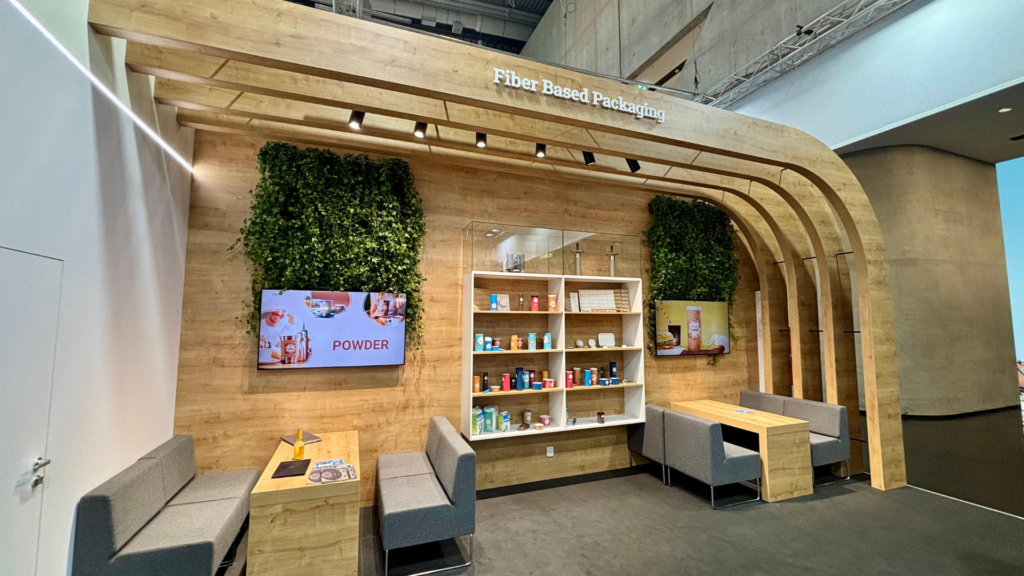
FACHPACK 2025 – Premiere for Glassine by SiOPack® For the first time, round tins with a glassine paper viewing window – as transparent as plastic, 100% recyclable in the paper stream. The premiere at FACHPACK 2025 At this year’s FACHPACK, together with our partner Optima, we presented a true innovation: the first retail tins with […]
Invisible monument protection: How Liquid Glass technology preserves historic building fabric
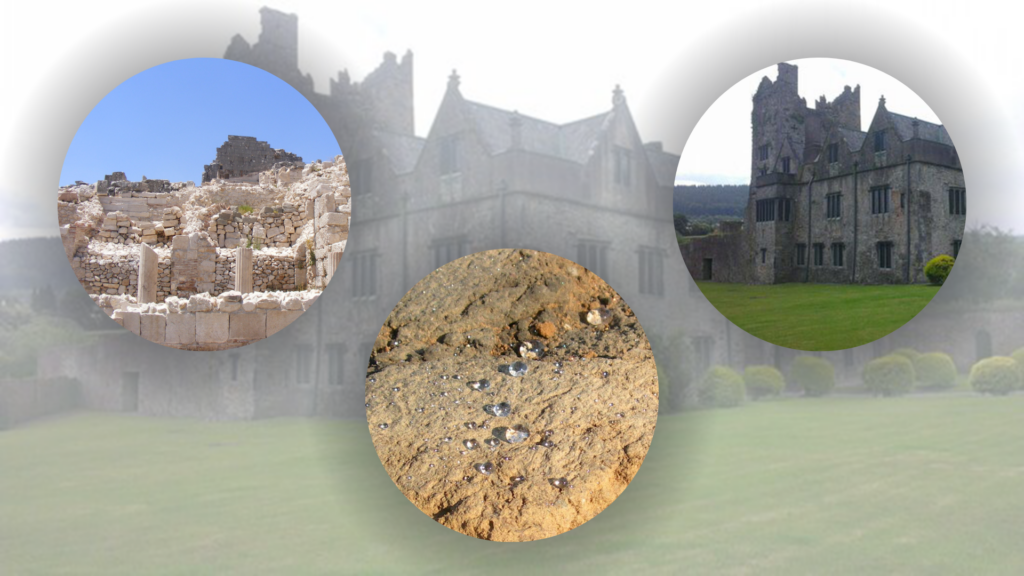
Old walls, castles and cathedrals tell stories that reach far beyond our time. They are symbols of our identity – and at the same time threatened by moisture, dirt and creeping decay. The central question of heritage conservation is therefore: How can we protect historic building fabric without falsifying it? The challenge in monument protection Anyone who wants to preserve cultural heritage faces a dilemma. • On the one hand, walls, stones and foundations need to be protected from environmental influences. • On the other hand, their character – patina, color, structure – must not be lost. Conventional methods follow high professional standards (minimal invasiveness, material compatibility, sample surfaces). In sensitive situations, however, individual approaches can cause visible changes or reach their limits – this is where complementary, material-friendly solutions are needed. Yet in monument protection especially, one principle applies: authenticity is inviolable. The solution – sustainable heritage conservation with Liquid Glass This is where the NP® Liquid Glass technology comes in. It is based on nanotechnology and creates an ultra-thin, invisible protective layer that acts like an invisible coat. • It reliably protects walls from moisture, dirt and environmental influences. • It preserves the surface in its original condition – without color changes, without visible residues. • It is sustainable, breathable and offers long-term security. The result is a solution that combines state-of-the-art technology with the requirements of monument protection. In this way, we meet the high quality requirements that heritage conservation and archaeology place on applicable products – such as color stability, breathability, material compatibility and documented sampling and approval processes. Practical examples from cultural heritage The Liquid Glass technology is already being used successfully. Examples demonstrate its versatility: • Mud-brick walls of ancient sites remain resistant to rain and erosion. • Centuries-old natural stone walls retain their original beauty while being protected at the same time. • Archaeological sites can be secured without endangering their delicate structure. These practical projects make it clear: sustainable heritage conservation is possible – without compromising authenticity and appearance. Archaeology: protection for the most delicate cultural assets Archaeological sites are the most vulnerable witnesses of the past. Mud bricks, unworked natural stone, wall remains thousands of years old – they were not made for eternity and often lie unprotected in the open air. Here, the task of heritage conservation becomes particularly clear: How can we secure archaeological sites without destroying their authenticity? The answer is the Liquid Glass technology. Its ultra-thin, invisible protective layer is ideally suited for archaeological applications: • Delicate surfaces are stabilized without altering their structure. • Moisture and environmental influences no longer penetrate, and the fabric is preserved. • Invisibility guarantees authenticity – visitors see history, not chemistry. In this way, sites can not only be conserved but also made accessible and tangible for future generations. Preserving patina – securing identity The patina of old walls is more than discoloration. It is history in visible form – a part of cultural identity. If it is destroyed, a piece of the past is lost. A look at England shows how charitable and public actors actively promote preservation: The King’s Foundation, founded by today’s King Charles III, strengthens traditional building and restoration skills (including through the Building Craft Programme, supported by Historic England) and links craftsmanship, sustainability and cultural heritage. Such programs underline how important material-compatible, color-neutral and breathable solutions are – requirements that NP® Liquid Glass fulfills and […]
The Natural Stone Stays. The Stains Don’t.
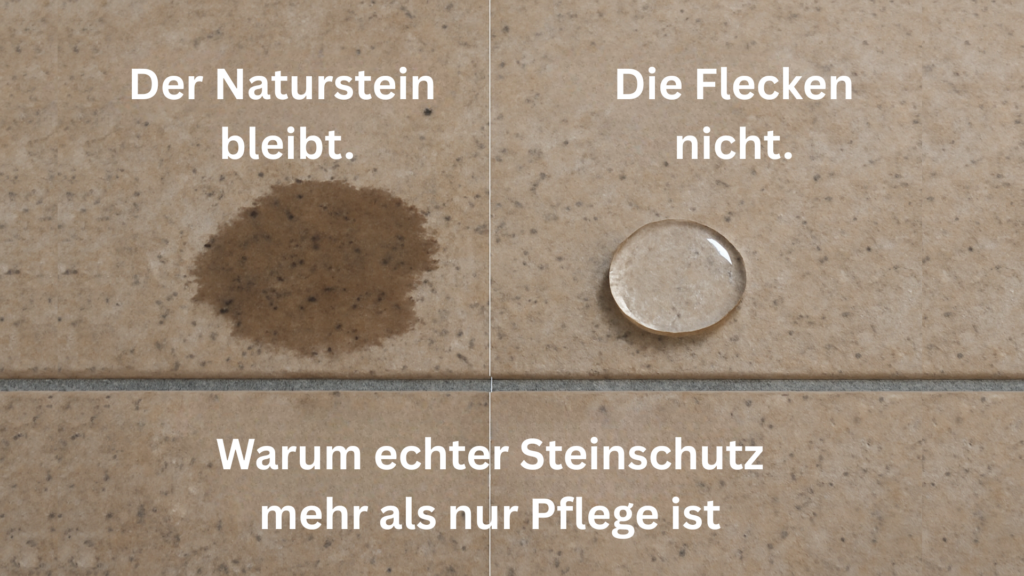
Why real stone protection is more than just maintenance. The terrace was once immaculate – now small dark spots appear on and between the slabs. Nanopool’s Liquid Glass forms an invisible, breathable layer that makes water and dirt bead off and gives oils and stains no chance – protection exactly where it is needed.
Skin Protection Reimagined: Why NP® Glove Could Mark the Beginning of a New Era
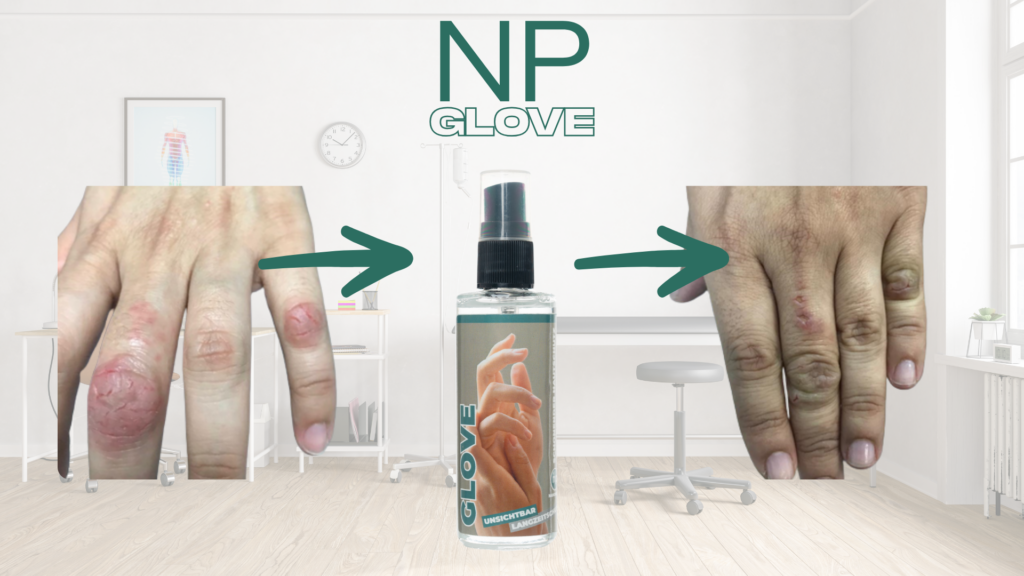
Occupational dermatitis affects more than 20 million people worldwide and costs billions. How NP® Glove is redefining skin protection with innovative SiO₂ technology – preventive, effective, and approved as a cosmetic. For more than 100 years, skin protection has followed a simple principle: when something is red, sore, or irritated, we apply cream. But what if we could prevent it from ever getting that far? That is exactly what NP® Glove promises – a new technology that does not treat, but prevents.
Glassine by SiOPack®: The Sustainable Revolution for Paper-Based Window Packaging
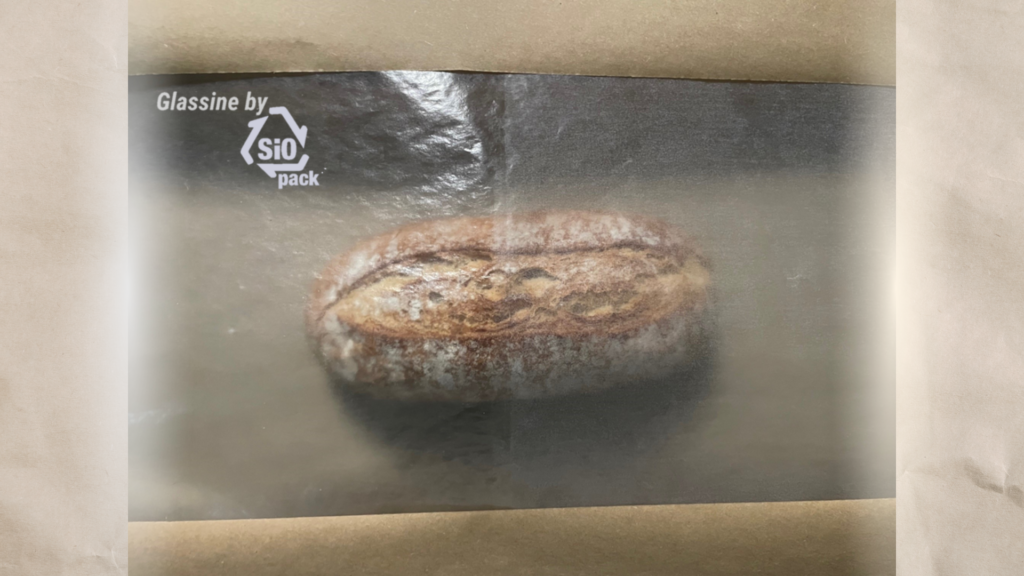
The era of plastic windows in packaging appears to be coming to an end. More and more companies – especially in food retail – need sustainable packaging that works without plastic yet makes no compromises on product protection or visibility. Glassine by SiOPack® upgrades conventional glassine paper with a transparent, recyclable barrier coating – a genuine alternative to plastic window packaging.
Nano Glass Refinement in Action:
The Gioia 22 Tower in Milan Relies on Hydrophobic Glass Coating The Gioia 22 Tower is one of the most modern construction projects in Milan – an imposing skyscraper with over 35,000 m² of glass facade. Beyond its architectural impact, the building also posed functional demands in terms of maintenance, longevity and sustainability. The decision in favour of nano glass refinement with the nanopool® glass coating demonstrates how glass can be refined with nanotechnology to reduce the long-term cleaning effort of the glass facade.
Using Existing Photovoltaic Systems More Efficiently – with the NP® PV Matrix
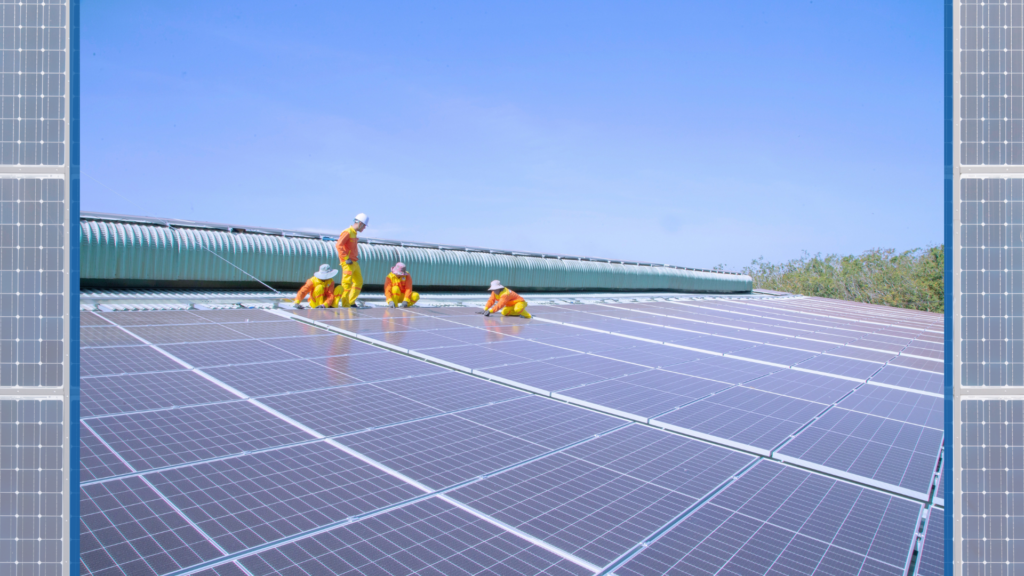
The energy transition usually focuses on large-scale measures: new sites, new installations, new storage. Yet one question is often overlooked: how can more efficiency be extracted from what already exists? This is exactly where our NP® PV Matrix comes in – a solution proven in practice for more than 13 years for optimising existing photovoltaic systems, entirely without structural alterations or technical modifications. The NP® PV Matrix is a nanoscale photovoltaic coating applied directly to existing solar modules as a surface finish. Thanks to its anti-reflective and hydrophobic properties, it works in several ways at once: it increases the efficiency of the solar panels, reduces performance losses caused by soiling and helps keep the modules clean for longer. The nanocoating acts like an invisible protective layer – it improves light absorption, protects the surface and enables a kind of self-cleaning effect that can significantly reduce cleaning costs. In many cases, solar panel cleaning without water is even possible. This is clearly borne out by real installations worldwide: depending on location, system age and degree of soiling, the solar panel coating has delivered performance gains in the single- to double-digit percentage range. The technology has proven particularly effective in areas with high dust loads, heavy pollen or difficult cleaning conditions – typical causes of yield losses in operation. Operators report not only higher electricity yields, but also less effort for maintenance and upkeep – a factor not to be underestimated in overall cost-effectiveness. After all, when it comes to the question “Is solar cleaning worth it?”, it is not only cleaning quality that matters, but also the interval between cleanings. This is where the NP® PV Matrix can make a tangible difference, extending cleaning cycles and thereby lowering the cost of solar panel maintenance. Our technology is not a theoretical vision – it has been in use under real-world conditions for over a decade. As a further development of the functional high-performance coatings we have offered on the market since 2002, it stands for a systemic approach: not symbolic innovation, but a practical solution for existing installations. For this combination of technical effect, operational benefits and sustainability, we were honoured with the Green World Award (Global Gold Winner). The NP® PV Matrix will also be documented as an outstanding example in the 2026 edition of the Green Book. With our membership of bne – Bundesverband Neue Energiewirtschaft – we want to place this approach in a wider context: we see the energy transition as a systemic task, not a battle of products. For us, innovation is not an end in itself, but a tool that must be aligned with the overall system – technically robust, economically sound and practical to implement. We therefore welcome dialogue with operators, municipal utilities, energy suppliers and everyone who wants to base their energy transition strategy on tangible impact. Because in the end, what counts is not only what is technologically possible – but how much of it works under real conditions.