
„The spirits that I summoned, I now cannot rid myself of.“ Had plastic already been an issue at the end of the 18th century, Goethe might not have written about brooms and buckets of water, but about plastic bags and plastic cups …
Ever since plastic swept across the world as an all-purpose miracle, delivering durable, lightweight and hygienic products that were also inexpensive and often garishly colourful, a great deal has happened. Who back then would have imagined mountains of waste stretching to the horizon, or fish perishing after becoming entangled in drifting plastic debris?
Since the 1970s, recycling has been expected to solve the problem, and new packaging regulations currently aim at higher recycling rates.
But does that really solve the problem?
Of course it is better when plastic items are turned into new products after a melting and cleaning process – plastic film, for example – and thus reused. But what comes after that?
Even plastic packaging that has been recycled several times ends up, at the end of its life cycle, on one of the ever-growing waste mountains or in the sea. If it even gets that far. Because far too much plastic ends up, through carelessness or convenience, by the roadside, in the woods or in fields, where in the worst case it can persist for hundreds of years!
But what if packaging that is not disposed of correctly and improperly finds its way into nature came with a plan B?
Untreated natural fibres such as paper or cardboard would rot within a relatively short time. In many cases, however, they do not offer sufficient protection for the packaged goods – neither against moisture nor against microorganisms or mould. Yet if biodegradable products are fitted with a protective plastic film, they once again burden the environment.
An unsolvable dilemma?
Rethinking packaging means: we need a method that gives biodegradable material new, superphobic and food-safe properties without affecting its compostability.
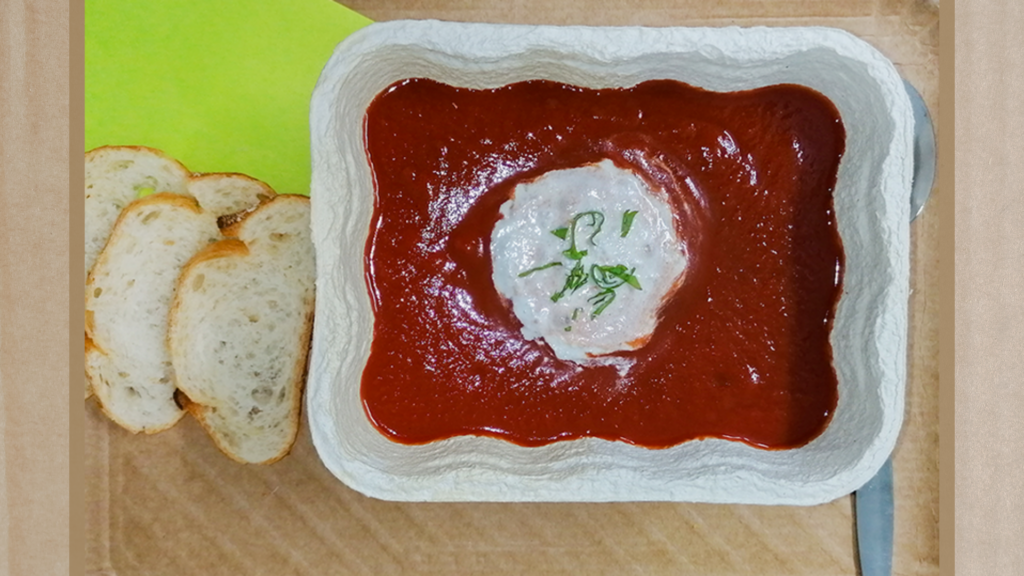
That is exactly what the product innovation SiOPack® has achieved! The ultra-thin nanopool coating equips untreated paper or cardboard with a protective barrier that repels moisture, dirt and microorganisms, while itself being 100% biodegradable and also recyclable.
Whether a SiOPack® carton is responsibly recycled or carelessly thrown away – nature does not have to pay the price!