
From automotive and mechanical engineering to healthcare and food applications: plastic surfaces must stay functional, hygienic and presentable. The NP® Liquid Glass technology protects against moisture and soiling without changing colour, gloss or feel.
Repellent function, appearance unchanged.
Dirt and liquids attack the surface.
The NP® Liquid Glass technology creates an ultra-thin, transparent protective layer on plastic surfaces. Through targeted functionalisation, water- and dirt-repellent properties are achieved without significantly changing the appearance, feel, or functionality of the material.
The natural surface structure remains intact, while the surface is supported against contamination, liquids, and everyday signs of use. The layer does not alter colour or surface quality and can facilitate cleaning and reduce maintenance requirements.
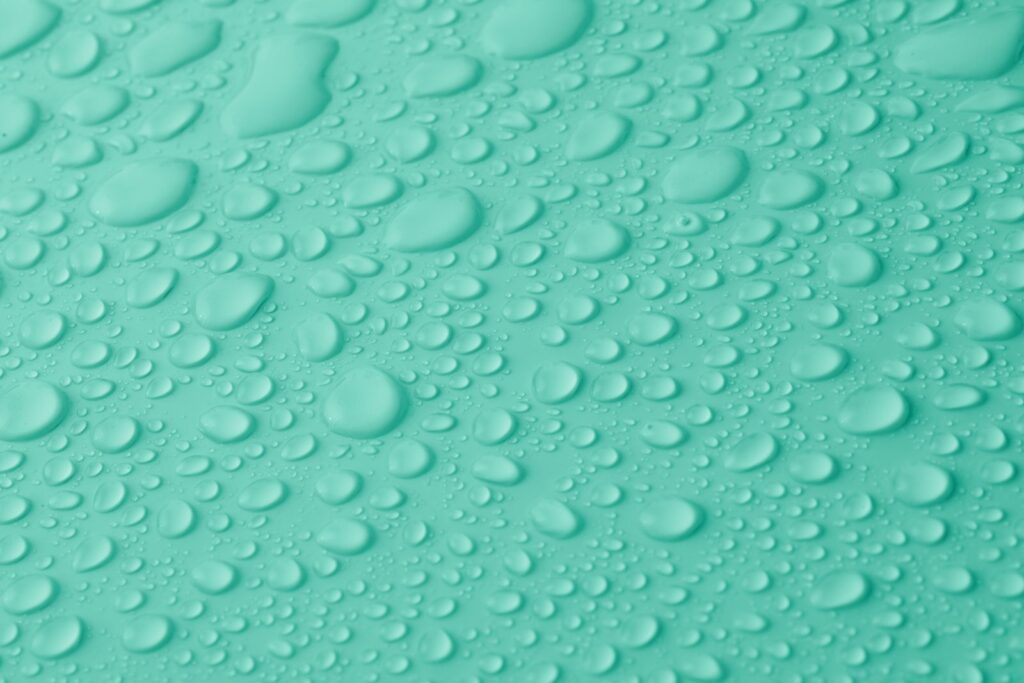
The performance of the NP® Liquid Glass technology for plastic surfaces has been tested by independent testing and research institutes: suitability for food contact applications and the fire behaviour of coated plastic materials in safety-relevant applications.
The results demonstrate that the NP® coating fulfils the requirements for food contact materials, and that coated plastic and GFRP materials meet high fire-safety requirements for safety-relevant applications.
The nanopool surface technologies are suitable for numerous technical plastics, thermoplastics, thermosetting materials and composites. Tap a material for details:
Especially with high-quality plastic surfaces, maintaining the original material properties is essential. The NP® protective layer acts close to the surface and supports material protection without significantly changing functionality or appearance. Tap an application area:
Interior and exterior surfaces in vehicles.
Trim, panels and functional plastic surfaces in vehicles stay presentable and easier to clean over years of use.
Hygiene-critical device surfaces.
Plastic housings and surfaces of medical devices benefit from reduced soiling and easier, gentler cleaning.
Food contact compliant surfaces.
Surfaces in food processing must be safe and easy to clean. The coating is compliant with EC 1935/2004 with migration far below limits.
Machinery, housings and covers.
Technical plastic components and housings resist soiling and stay functional, supporting reliable operation.
Plastic surfaces must be economical, durable, and easy to maintain. At the same time, requirements for hygiene, sustainability, and operational safety are increasing. nanopool solutions create added value through:
Designed for:
The most common questions about protecting plastics and polymer surfaces.
No. The transparent NP® protective layer has been developed to preserve the colour, gloss level, and surface structure of the material.
Yes. Independent tests confirm that the coating fulfils the requirements of Regulation (EC) No. 1935/2004. Overall migration is significantly below the permitted limit of 10 mg/dm².
No. Tests on coated materials confirm classification in the fire protection classes S4 / SR2 / ST2 according to DIN 54837 and DIN 5510-2 for the tested applications.
The NP® Liquid Glass technology is suitable for numerous technical plastics, thermoplastics, thermosetting materials, and glass fibre reinforced plastics (GFRP). Suitability should be verified for the specific material before application.
Yes. By protecting high-quality plastic surfaces, extending service life, and reducing cleaning and maintenance requirements, the technology can contribute to sustainable material and utilisation concepts.
Tell us about your application. We advise manufacturers, engineers and operators on the right protection concept for plastic and polymer surfaces.