
Invisible monument protection: How Liquid Glass technology preserves historic building fabric
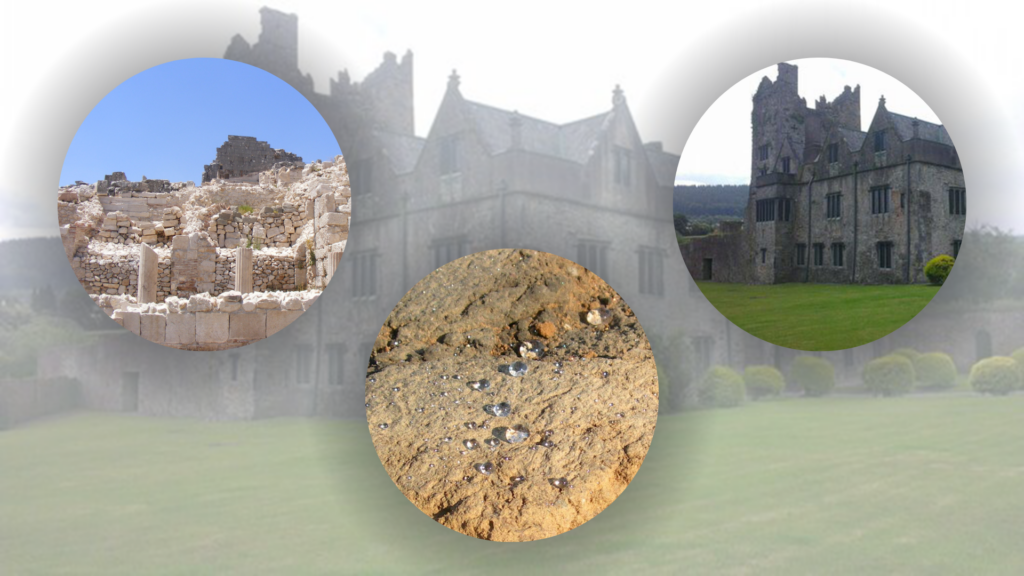
Old walls, castles and cathedrals tell stories that reach far beyond our time. They are symbols of our identity – and at the same time threatened by moisture, dirt and creeping decay. The central question of heritage conservation is therefore: How can we protect historic building fabric without falsifying it? The challenge in monument protection Anyone who wants to preserve cultural heritage faces a dilemma. • On the one hand, walls, stones and foundations need to be protected from environmental influences. • On the other hand, their character – patina, color, structure – must not be lost. Conventional methods follow high professional standards (minimal invasiveness, material compatibility, sample surfaces). In sensitive situations, however, individual approaches can cause visible changes or reach their limits – this is where complementary, material-friendly solutions are needed. Yet in monument protection especially, one principle applies: authenticity is inviolable. The solution – sustainable heritage conservation with Liquid Glass This is where the NP® Liquid Glass technology comes in. It is based on nanotechnology and creates an ultra-thin, invisible protective layer that acts like an invisible coat. • It reliably protects walls from moisture, dirt and environmental influences. • It preserves the surface in its original condition – without color changes, without visible residues. • It is sustainable, breathable and offers long-term security. The result is a solution that combines state-of-the-art technology with the requirements of monument protection. In this way, we meet the high quality requirements that heritage conservation and archaeology place on applicable products – such as color stability, breathability, material compatibility and documented sampling and approval processes. Practical examples from cultural heritage The Liquid Glass technology is already being used successfully. Examples demonstrate its versatility: • Mud-brick walls of ancient sites remain resistant to rain and erosion. • Centuries-old natural stone walls retain their original beauty while being protected at the same time. • Archaeological sites can be secured without endangering their delicate structure. These practical projects make it clear: sustainable heritage conservation is possible – without compromising authenticity and appearance. Archaeology: protection for the most delicate cultural assets Archaeological sites are the most vulnerable witnesses of the past. Mud bricks, unworked natural stone, wall remains thousands of years old – they were not made for eternity and often lie unprotected in the open air. Here, the task of heritage conservation becomes particularly clear: How can we secure archaeological sites without destroying their authenticity? The answer is the Liquid Glass technology. Its ultra-thin, invisible protective layer is ideally suited for archaeological applications: • Delicate surfaces are stabilized without altering their structure. • Moisture and environmental influences no longer penetrate, and the fabric is preserved. • Invisibility guarantees authenticity – visitors see history, not chemistry. In this way, sites can not only be conserved but also made accessible and tangible for future generations. Preserving patina – securing identity The patina of old walls is more than discoloration. It is history in visible form – a part of cultural identity. If it is destroyed, a piece of the past is lost. A look at England shows how charitable and public actors actively promote preservation: The King’s Foundation, founded by today’s King Charles III, strengthens traditional building and restoration skills (including through the Building Craft Programme, supported by Historic England) and links craftsmanship, sustainability and cultural heritage. Such programs underline how important material-compatible, color-neutral and breathable solutions are – requirements that NP® Liquid Glass fulfills and […]